

Any step you can take to prevent water damage is probably worth at least 10 steps to fix it once it happens. While some water damage falls into the category of an incident beyond your control"storm flooding or a local river overflowing, for example—others aren't a matter of bad luck. In some homes, water damage is a calamity just waiting to happen. In others, it's a slow-motion event that's ongoing all the time.
Water damage recovery experts agree the best recovery strategy is to prevent water damage. Here are some of the things they recommend:
- Check the condition of pipes and plumbing, particularly indoor water supply lines. Outside evidence of corrosion or pinhole leaks may signify interior deterioration that may culminate in a catastrophic rupture.
- Look around and behind water-connected appliances like the washing machine and dishwasher for signs of leakage. Evaluate the flexible appliance water hoses that connect to the household supply line. These should be replaced every five years. Turning off the water valve behind the appliance when it's not in use, particularly if you're going out of town for an extended period, is the best protection.
- Check under sinks for leakage from cutoff valve connections or dripping drain pipes. Since leakage may be intermittent, be alert for signs of seeping water that's dried up. Use your sense of smell, also, to detect any sewage backup that may be occurring either chronically or occasionally.
- Determine the cause anywhere you see evidence of high moisture content in the air, such as mildew or mold growth. In the attic, suspect a leaky roof. In the basement, look into seepage through the foundation from ground water or outside rain.
- In any remote areas that may be subject to unseen water intrusion, consider installing water leakage alarms.
For more steps to prevent water damage, contact Rytech.
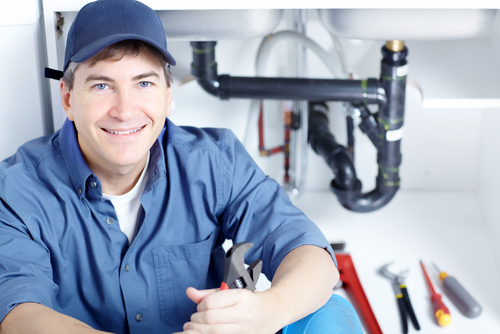
Image via Shutterstock.com


