

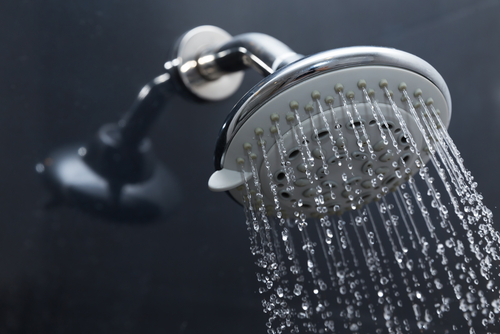
Low water pressure becomes an annoyance impossible to ignore. Every time you enter a dribbling shower, open a kitchen tap and get anemic flow, or wait for what seems like an hour for the washing machine to fill, you're reminded of this problem. Since low water pressure doesn't fix itself and may in fact only get worse, simply ignoring the situation indefinitely isn't much help. The sooner you address the issue, the better.
Low water pressure may be a simple fix or simply one symptom of another, more fundamental household plumbing problem that requires professional attention. Here are some of the common causes:
- Main shutoff valve not fully open. It's a no-brainer, but worth checking. Sometime in the past, someone may have shut off water to the house at the main valve, then failed to fully re-open it all the way. Check your valve and see if you can open it any further. Don't try to force it. If you still suspect the valve, ask a plumber to investigate further.
- Defective pressure regulator. Most municipal water is at a pressure too high for residential plumbing. A regulator located at the water meter or somewhere on the main water line reduces pressure to safe limits, usually between 40 and 80 psi. If the regulator is defective or improperly adjusted, household water pressure may be too low. A plumber can check the regulator and adjust or replace as necessary.
- Mineral deposits in pipes. Naturally occurring mineral content in municipal water — mostly calcium carbonate — accumulates inside water pipes over time, gradually reducing water pressure in the whole house. This is a worsening, systemic problem that requires a comprehensive solution to restore normal pressure. Usually, re-piping the supply lines in the house with copper or PEX pipe is the best alternative.
- Underground leak. A leak in the main supply line may show few obvious signs on the surface yet still reduce water pressure in the house. Detecting and locating underground leaks requires the skills and tools of a qualified plumber.
For more information on low water pressure issues, ask the experts at Rytech, Inc.


