

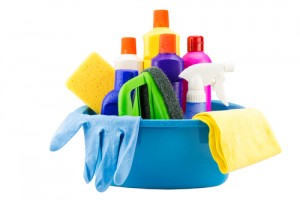
If you live in a flood-prone area, it may not be a question of if you will need a flood clean-up kit, but when you will need one. Because you can't be sure of the answer, keep one on hand at all times to be ready. The aftermath of a flood is a bad time to be trying to hastily assemble the supplies you need for preliminary clean-up. Also, in the case of widespread flooding, retail sources may not be open, or if they are, the most needed items may rapidly sell out.
Due to contamination and other safety issues, DIY methods usually aren't sufficient to fully restore a home after severe flooding. Professional water damage restoration is called for to mitigate immediate consequences, as well as long-term after-effects like toxic mold. For the initial procedures, however, keep a flood clean-up kit around the house stocked with these items.
- 5-gallon bucket with lid. It should be clean, and not have previously contained toxic chemicals like paint or solvent. You can use it to store many of the other items in the flood clean-up kit.
- Liquid laundry detergent in plastic bottles. Two 25-ounce quantities.
- Liquid dishwashing soap. At least 16 ounces.
- Liquid household cleaner that can be diluted with water.
- A can of spray air freshener.
- Chlorine bleach.
- One sponge mop and a large push broom.
- One aerosol or pump spray can of insect repellent.
- Plastic or wooden-handled scrub brush.
- A box of cleaning wipes in individual packets.
- Assorted sponges—up to 10. Use synthetic sponges, not natural cellulose that harbors mold growth.
- Plastic scouring pads. Do not use stainless steel or metal pads, nor any kind that contains soap.
- Clothesline and clothes pins.
- Roll of heavy-duty plastic trash bags.
- Dust masks.
- Rubber kitchen gloves and heavy fabric work gloves.
- Clean rags—as many as you can find.
When serious flood damage affects your home, you'll probably need more than a flood cleanup kit. Contact the professionals at Rytech, Inc.


