

Applied structural drying brings together a comprehensive knowledge base and state-of-the-art technology to dry homes rapidly and efficiently. As the clock ticks after a water damage incident, minutes and hours are critical. The structural components and building materials of a house are increasingly compromised as water migrates deeper and secondary consequences such as toxic mold growth become more widespread. Applied structural drying uses a data-driven, systematic approach to minimize damage to materials and optimize drying results quickly. As much as possible, water extraction and drying is accomplished using non-destructive procedures and with as little disruption as possible. Real-time progress is documented at regular intervals until complete drying is verified.
The science of applied structural drying is based on industry-standard principles that include:
Rapid Drying
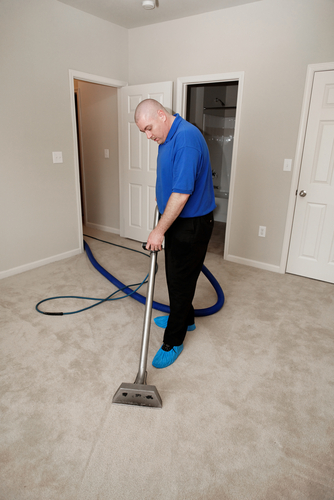
Getting water out of the house is first priority. Teams utilize powerful truck-mounted extractors to eliminate water. Depending on origin and contamination potential, water may be extracted from carpeting and other materials without removal of these materials. Vacuum squeegees pick up water from hard floors and high-volume pumps clear flooded spaces such as basements. Structural cavity drying systems (SCDS) can dry moisture that has spread into hard-to-reach voids.
Humidity Reduction
High humidity spreading throughout the house exacerbates water damage by causing secondary damage to areas not even contacted by water. Powerful tools include axial fans and centrifugal air movers to flush water vapor out of the house. High-volume dehumidifiers designed for interior water damage remediation use hygroscopic desiccants to dry circulating air.
Continuous Monitoring
Psychrometry is the science that guides and documents the water damage restoration process. Measurements are taken throughout the house at scheduled intervals during the project. Moisture sensors chart the extent of water intrusion, invasive and non-invasive moisture meters take spot measurements in affected areas and thermo-hygrometers chart relative humidity. Other technology such as borescopes to inspect structural voids and thermal cameras are also utilized to evaluate the drying progress. Precise measurements provide necessary data to confirm when dryness targets are achieved.


