

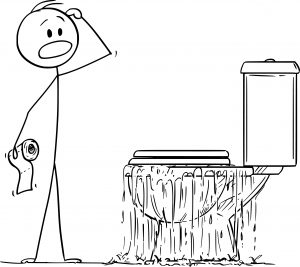
Because there's more than one potential source of bathroom flooding, the potential for health risks also varies. A flooded bathroom is one of the more common water damage incidents that professionals encounter on a daily basis. However, not all bathroom water damage is equal when it comes to possible toxic threat.
The Institute Of Inspection, Cleaning and Restoration Certification (IICRC) has developed standards to evaluate the health risks present in water damage incidents. Water damage incidents occurring in homes, including bathroom flooding, may potentially include one or more of these three categories of water damage standards:
- Category 1 is initially clean and originates from a sanitary source. In a bathroom, this might be a ruptured or loose water supply line releasing clean water under the sink or elsewhere. If mopped up or otherwise removed in less than 48 hours, category 1 flooding usually poses no health risk.
- Category 2 means contaminated water that could cause illness if ingested. In a bathroom scenario, this could include soapy water from a bathtub, a toilet overflow containing only water and urine, or even category 1 water which wasn't promptly cleaned up in the proper time frame and has now become contaminated.
- Category 3 is known as “black water”. As the name implies, it is highly toxic and requires professional clean-up and decontamination procedures afterwards. This category includes raw sewage from any source, including a bathroom toilet overflow that contains feces. Toilet overflows containing category 3 water may result from a common clog or they may be the consequence of a sewage backup pushing raw sewage back into a house from the main municipal sewer pipe.
If category 3 bathroom flooding occurs, occupants of the home should avoid entering the bathroom until qualified water damage services have decontaminated the environment. Potential illness could result from any contact with category 3 water, or even from breathing air in a confined space where flooding has occurred.


