

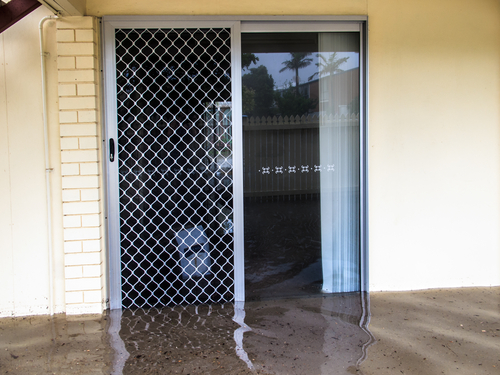
Cleaning up after a flood can be as challenging and hazardous as getting through the flood event itself. Severe water inundation can turn familiar household areas into no-go zones of toxic risk factors or danger from threats like electricity, leaking natural gas or structural collapse. For safety's sake, you'll need to get the premises inspected by a water damage professional first before beginning any DIY clean-up efforts.
When you get the green light from a qualified expert to begin cleaning up after a flood, keep these steps in mind to protect your own well-being.
- Put on protective clothing " Wear boots, gloves and eye protection. In some cases, you should also wear respiratory protection such as a face mask to protect against disease-causing airborne contaminants.
- Clean and bandage wounds " No matter how small the cut or scrape may be, remember that you're working in a toxic environment that may be contaminated with high levels or bacteria or biohazards. Don't risk infection by working with open wounds.
- No electrical usage " Don't use or even plug in fans, lights, power tools or any other electrical equipment in a flooded house until the house has been approved by a qualified electrician.
- Throw out any food " Any foodstuffs contacted by flood water should be presumed to be contaminated and immediately disposed of.
- Keep your hands clean " Wash regularly with soap and water and assume that your hands are contaminated as long as you're working in a flood-affected area.
- Use bottled water " If you need drinking water in the house or water for personal hygiene, use bottled water or clean water from another non-flooded residence until the household water supply has been approved for human use.
Stay safe when cleaning up after a flood. To do so, begin by contacting the water damage professionals at Rytech.
Image via Shutterstock.com


