

Broken pipes due to freezing can occur no matter what type of plumbing is installed. Copper pipe and PVC are both rigid and may crack due to pressure of ice formation. Even newer flexible PEX piping is not immune and can separate at connecting joints. The power of frozen water is truly remarkable: inside an enclosed pipe, expanding ice formation can exert tons of pressure per square inch. Merely a one-eighth inch crack that results can release over 250 gallons of water per day, more than enough to ruin possessions and cause expensive structural damage.
The Danger Point
Ice formation inside pipes doesn't necessarily occur as soon as temperatures drop below the 32-degree freezing point. Latent heat in water usually means a harder, longer freeze is required before the pipe is truly at risk. In most cases, temperatures will have to drop below 25 degrees and remain there for a certain period before the risk of broken pipes and water damage becomes dangerously high.
To prevent the losses and inconvenience of pipe ruptures, here are some steps you can take:
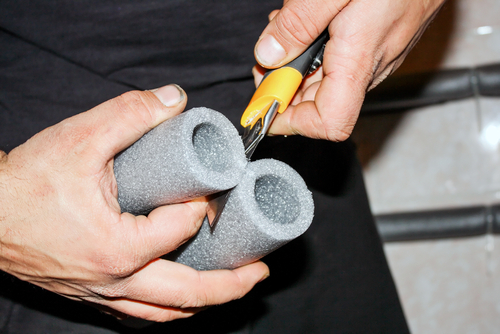
- Use slip-on foam pipe insulation sleeves to protect all accessible spans of water supply pipe located outside the thermal envelope of the house: in the garage, the crawl space, the attic and other unconditioned areas where household heat doesn't reach.
- Check the exterior of the house for any openings that allow frigid outdoor air to penetrate and reach plumbing. Fill these openings with expandable spray foam insulation or permanently patch with building materials.
- During a cold spell, keep the house heated to at least 55 degrees at all times to warm the plumbing. If you're going to be out of town, have a trusted person check on the house and keep the furnace running.
- If forecasts predict temperatures will drop into the danger zone, open faucets slightly in the house and allow water to trickle until temperatures rise again. Water moving through the pipes discourages freezing.
Broken pipes due to freezing are an issue for homeowners every winter. Doing even these few preventive measures can help avoid resultant water damage.


