
A raw sewage spill means more than the expense and inconvenience of
conventional water
damage. It's an emergency that imposes serious health and safety threats.
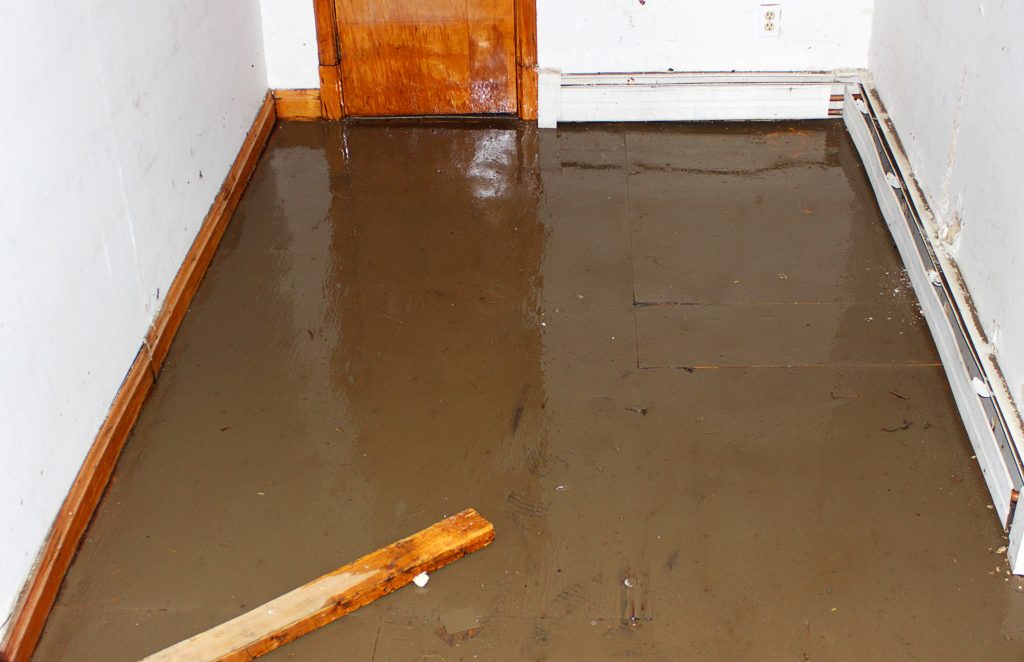
Any sort of blockage or backup occurring in the main sewer line always affects
the lowest point in the house first, so the basement is often ground zero for raw sewage influx. Because an enclosed basement below ground
level indefinitely retains any flooding deposited there, professional expertise
and specialized equipment are literally always required to pump it out and
restore a safe, non-contaminated environment.
What's Different About Sewage?
There's good reason why professional sewage remediation teams look like the
clean-up crew at a nuclear accident, enclosed head-to-toe in a hazmat suit with
eye protection, a face mask and often breathing from a respirator. Raw sewage
commonly contains pathogens including Hepatitis B virus, E. coli bacteria, as
well as parasites like Cryptosporidium parvum and Giardia—better known as the
two most common causes of water-borne illness. Even the Poliomyelitis virus
that causes polio is a frequently identified component. Direct contact with raw
sewage isn't necessary to become contaminated, just breathing the fumes may
result in infection.
Don't Even Try to Do It Yourself
Putting on rubber boots and gloves and adopting a can-do attitude aren't
enough. That's why any responsible sewage clean-up advice must be brief and
blunt: Don't do it yourself. Let qualified
professionals handle it.
In addition, these precautions apply:
- Stay out of the basement.
- Keep kids and pets away, too.
- Avoid breathing sewage fumes.
- Infants, the elderly, pregnant women, and persons with compromised immune systems should immediately evacuate the house until it is declared safe to return by a qualified professional.
Can Items Be Saved?
The general rule is, all items directly contacted by raw sewage should be
discarded using methods that comply with local and state regulations for toxic
waste disposal. Attempting to disinfect sewage-saturated materials such as
carpeting, furniture, drywall, insulation, bedding, and clothing is typically more
labor-intensive and expensive than replacement. Valuables deemed to be
irreplaceable will require professional decontamination procedures before being
safe to handle.


