

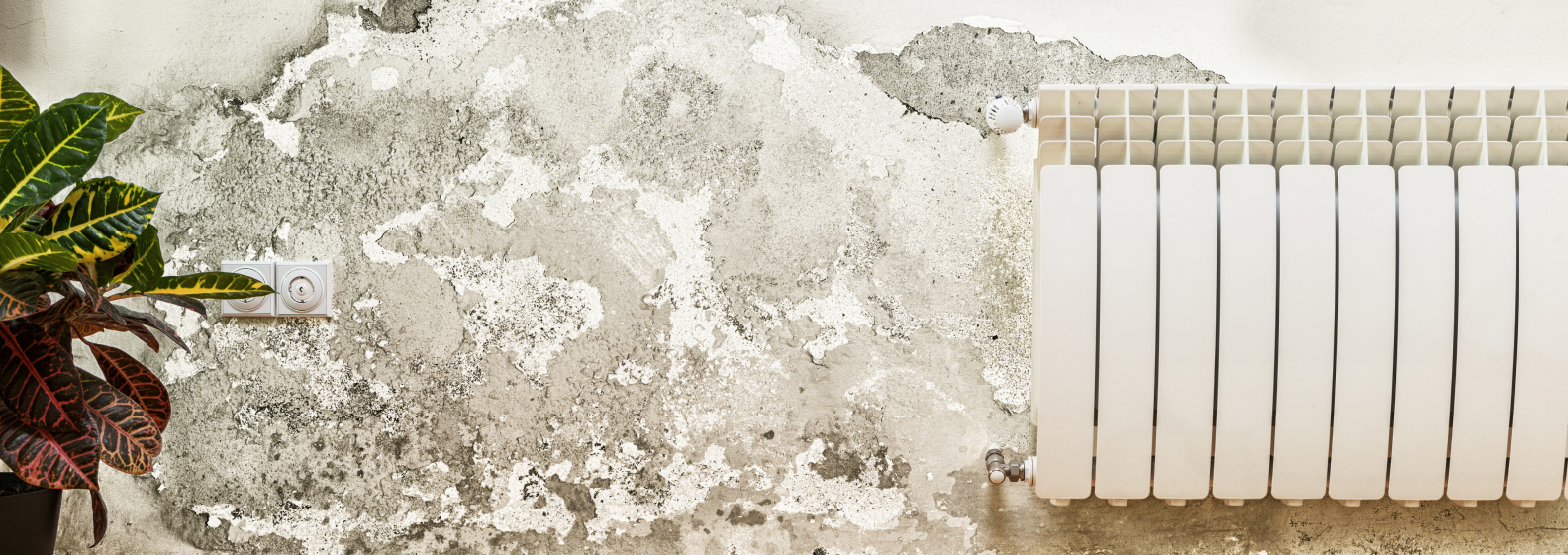
Floodwater damage is rarely uniform in the houses it impacts or even among different parts of the same house. This is due to the variety of building materials incorporated into ceilings and walls that react differently to water exposure. If professional water damage recovery techniques are utilized, many materials can be recovered. Others, however, will need to be replaced.
Here's what you can expect from the ceiling and wall structures of your home if they ever incur floodwater damage.
Drywall
Most forms of drywall — also known as sheetrock, gypsum or wallboard — are vulnerable to floodwater damage. These materials generally absorb a large volume of water, lose structural integrity and either disintegrate or severely deform. Drywall also tends to harbor toxic mold growth after flood exposure. In cases where drywall is saturated, it usually must be replaced.
Plaster
More common in older homes, plaster is fairly resistant to short duration water exposure. While the drying process may be long, unless the plaster has separated from the internal lath that supports it, replacement won't be necessary.
Insulation
Technically, soaked fiberglass batts may be carefully removed, properly dried, then re-installed. Whether this is preferable to simply discarding the old wet material and installing new insulation that also meets today higher standards is another matter.
Cellulose loose-fill is highly absorbent and loses its insulating properties after being saturated. Replacement is the only option.
Sprayed-in foam insulation or rigid foam boards are entirely water-resistant and may need only rinsing to remove mud or floodwater debris.
Wood
If water exposure is short term and competent drying techniques are utilized, most solid wooden materials are salvageable. Laminates of plywood may be vulnerable to separation if drying is uneven.
Ask the water damage recovery experts at Rytech, Inc. for professional advice about floodwater damage to ceilings and walls in your home.
Image via Shutterstock.com


