

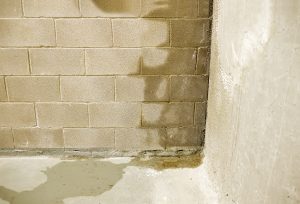
In many cases, a dry basement doesn't happen naturally. In fact, basements are almost a laboratory setting for the accumulation of humidity and moisture. Ideally, basement humidity should be kept below 50%. Factors working against maintaining a dry basement include:
- Soil moisture exuding upwards through the foundation
- Significant condensation as warm moist air contacts chronically cool basement walls and floor
- Leaky or “sweating” plumbing pipes routed through the basement
- Cracks in the foundation wall that admit groundwater seepage, particularly during the summer rainy season
- Overflowing roof gutters or downspouts that are too short
- Running clothes washing machines and driers in the basement
When a dry basement becomes chronically wet:
- Moisture plus the unventilated basement environment provides ideal conditions for the growth of toxic mold that may continuously contaminate the living spaces above
- Damp basements are often a source of musty odors that infiltrate the house
- Household systems, including the furnace and main electrical panel, are frequently located in the basement and may be deteriorated by moisture exposure
- Pre-sale inspections include inspecting and verifying a dry basement; a wet basement may discourage prospective buyers and/or attract lower offers
Creating a dry basement—and keeping it that way—requires a multi-faceted approach:
- Purchase a hygrometer to determine moisture content inside the basement.
- Have a plumber inspect pipes routed through the basement and repair leaks and/or insulate pipes that sweat.
- Locate and repair cracks in basement walls that admit groundwater. Apply waterproofing paint to all walls to reduce micro-seepage.
- Install a sump pump in the basement floor to remove rising groundwater and reduce pressure against the underside of the foundation.
- Make sure roof gutters are unobstructed and not overflowing during rain. Gutter downspouts should discharge water at least three feet from the house.
- Buy a dehumidifier sized for the square footage of the basement. The best choice is a model that integrates a hygrometer and automatically maintains the desired humidity setting at all times. Run the humidifier drain line into a basement drain.
- Properly vent a clothes dryer installed in the basement to the exterior of the house.


