
Not all water damage incidents present the same circumstances, challenges, and hazards to the professionals who must deal with it. The Institute of Inspection, Cleaning, and Restoration Certification is the non-profit certification and research organization for the water damage restoration industry. IICRC publishes the official standards that are applied to evaluate and restore water damage incidents and produce the most consistent, successful outcomes.
To standardize the wide variety of incidents according to severity, IICRC classification specifies three basic categories.
Category 1
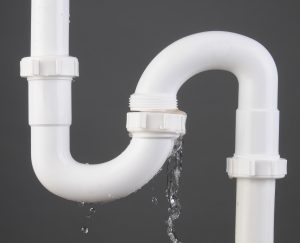
Sometimes called “clean water damage,” this category includes clean, clear water originating directly from sanitary sources like a broken household water supply line, bathroom tub or sink overflows, melting snow or ice, or rainwater. If you can contact the water without running the risk of contamination or other ill effects, it's probably Category 1.
It's important to note that clean water doesn't always remain clean. For example, water originating from a broken supply pipe in an upstairs bathroom might initially be Category 1. After that water seeps through the floor and ceiling into the room below, however, it may be contaminated by contact with other surfaces and substances and is no longer Category 1.
Category 2
This category includes water with significant contamination that could cause illness or discomfort if contacted or ingested by humans. These include microorganisms and organic or inorganic toxins originating from either biological or chemical sources. Examples of Category 2 damage include overflowing washing machines or dishwashers, groundwater seeping into a basement, toilet overflows without feces, broken aquariums, etc.
Category 3
The IICRC terms the water “grossly contaminated” and that's an accurate description. Water in this category contains pathogenic, toxigenic, or other hazardous substances that require the highest level of protection for water damage recovery workers. Category 3 encompasses a wide range of indoor contamination, including raw sewage backups, toilet overflows containing feces, outdoor floodwater entering a home, and even wind-driven rain during hurricanes and other weather events. In some cases, decontamination of certain building materials saturated by Category 3 water may not be possible and replacement of these materials may be necessary.


