
After the source of water intrusion is eliminated, structural drying becomes the next priority. Water damage is an ongoing process so remediation is time critical. The longer areas of the house remain wet, the greater the potential for permanent structural damage as well and the growth of toxic mold and other pathogens triggered by moisture. Fortunately, professional water damage recovery experts arrive with a variety of advanced methods to hasten the process of structural drying and clean-up.
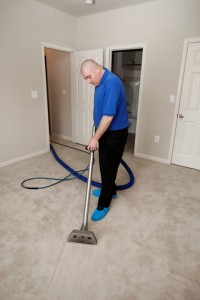
The first step is professional water extraction to remove standing water in areas where moisture is concentrated. Specialized vacuums quickly remove pooling water from hard surfaces. Absorbent materials like carpets can be dried with high-powered extractors that pull water and residual moisture out of the carpet and the pad beneath, without the requirement to lift the carpet or remove it from the premises.
Restoring air circulation to the house is critical to speed the drying process. DIY methods with common box fans aren't sufficient. A water damage expert will use turbo drying fans that create strong air currents to evaporate water from flooring and other parts of the structure.
Water vapor that accompanies interior flooding can be a major contributor to damage as it concentrates in the enclosed environment of the home. Professional structural drying equipment includes industrial-grade low grain refrigerant (LGR) dehumidifiers that rapidly reduce damaging indoor humidity to a much lower standard than conventional dehumidifiers.
In addition, a water damage expert will utilize monitoring technology that continually samples indoor air quality to evaluate the level of water vapor in the house. This sensitive equipment helps assess the effectiveness of remediation and determine when hidden pockets of moisture still remain inside the structure.
For more details on structural drying techniques and other remediation technology, contact the water damage experts at Rytech, Inc.
Image via Shutterstock.com


