

Sewage backup prevention is far preferable to the alternative: clean-up after a backup happens. Sewage refluxing into your house is actually a biohazard and usually requires professional water damage remediation to make the home environment healthy again. While a clogged sewage line often seems to be a sudden event coming out of the blue, it's more often the culmination of a process that's been ongoing for some time. Here are some sewage backup prevention tips to interrupt that process before disaster strikes:
- Stay sewer-conscious. Don't wash cooking grease down the kitchen drain. It flows freely out of the sink but solidifies inside your sewer pipe as sludge that gradually reduces the flow of wastewater. Also, throw coffee grounds away instead of down the drain, too. Remember that any paper other than toilet tissue flushed down the toilet will not degrade inside the sewer and will promote clogs.
- Get an inspection. Have a plumbing professional visually inspect the inside of your sewer pipe with micro-video technology. It's the only way to know for sure if pipe segments are collapsing due to age, or if tree roots are obstructing flow.
- Plant carefully. Tree roots are always seeking a sewer pipe for nutrients. Keep new trees and shrubbery plantings away from the underground route of your sewer pipe across the yard. Inquire at a local nursery about specific species that have less aggressive root patterns and are considered “sewer friendly.”
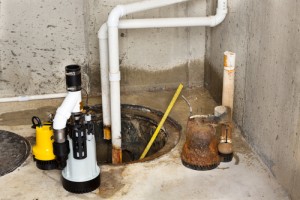
- Install a sump pump. If a sewer backup occurs, the first place it will inundate with toxic sewage is the lowest point in your home: the basement. A sump pump safeguards against basement flooding from all sources even when nobody's around to see it happen.
For more advice on home sewage backup prevention, contact the water damage recovery experts at Rytech, Inc.
Photo via Shutterstock


