

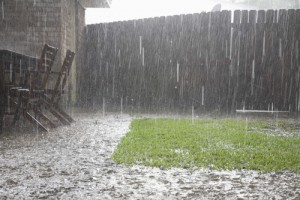
Because the potential for flooding isn't limited to any specific part of the country, flash flood safety tips can be useful anywhere. Flash flooding is possible wherever a large volume of rain falls in a short period of time, overwhelming existing drainage systems. Flash flooding may occur up to six hours after the storm that triggered it and is most common in low-lying areas close to rivers or streams that may overflow under conditions of extreme rainfall or rapid snow melt. A flash flood can jeopardize lives and cause severe property damage. It often strikes so fast that official warnings may come too late.
Here are a few flash flood safety tips to keep in mind if you live in an area that may be affected:
Before a Flood
- Determine whether nearby streams, drainage systems, canyons or other geographical features are likely to flood.
- If a flash flood seems imminent, move to higher ground without waiting for official alerts or instructions.
If Evacuation Is Ordered
- Close up and lock your home. If time permits, bring outdoor possessions like furniture indoors and move important items to an upper floor.
- Turn off the electricity at the main panel and turn off the main water supply valve. Unplug major appliances if it is safe to do so.
During Evacuation
- Don't walk through moving water or drive through flooded areas.
- Don't camp along rivers, streams or drainage channels.
After the Flood
- Return home only after authorities confirm that the area is safe.
- Once home, realize that a flooded house may present many hazards. Be aware of safety issues before re-entering the home.
- Remain alert to warnings of additional flooding that may occur.
For more flash flood safety tips and information on professional water damage recovery, contact Rytech.
Image via Shutterstock.com


