
Basic plumbing maintenance saves both water and money. According to the Environmental Protection Agency, annual plumbing leakage averages out to 10,000 gallons per residence in the U.S. Most leakage is a result of accepting small drips and slow seepage as “normal” and neglecting basic plumbing maintenance.
In addition to higher water bills—and unnecessary waste—minor plumbing leaks can be red flags warning of a major calamity like a potential pipe rupture that can cause expensive water damage and property losses.
Cut your risk and lower your costs by following a few basic plumbing maintenance tips you can do yourself.
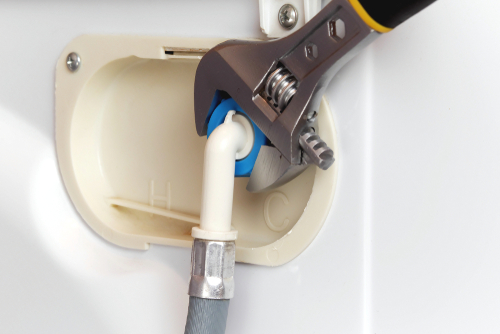
- Replace your washing machine supply hoses now if they are more than five years old. Buy braided stainless steel replacement hoses which have greater reliability and longer service life than the original rubber hoses.
- Flush your water heater at least once a year. Mineral sediment accumulating inside the tank accelerates corrosion that may trigger a tank rupture and indoor flooding. Flushing the tank is an easy DIY procedure (ample instructions are available online) that requires a garden hose and takes about 30 minutes. Alternatively, a plumber can do it for you.
- Look for leaks. Go wherever plumbing goes. Look inside cabinets under kitchen and bathroom sinks and other fixtures for drips or wet spots. Remove the kick plate at the front of the dishwasher and look underneath with a flashlight for signs of leakage. Also, check behind the refrigerator for leaks at the ice maker water supply connection.
- Get your water pressure checked. Residential pressure shouldn't exceed 80 p.s.i. Higher pressure stresses plumbing and causes leaks and/or increased risk of pipe rupture. A plumber can check the pressure and adjust if needed at the regulator.
- Insulate exposed pipes. If you live in a climate zone where pipes may freeze and rupture, check the crawl space and anywhere else water supply lines may be routed outside the heated envelope of the home. Use slip-on foam pipe insulation to cover all accessible spans of pipe.
Avoid water waste and water damage with more advice on basic plumbing maintenance from the professionals at Rytech, Inc.


