

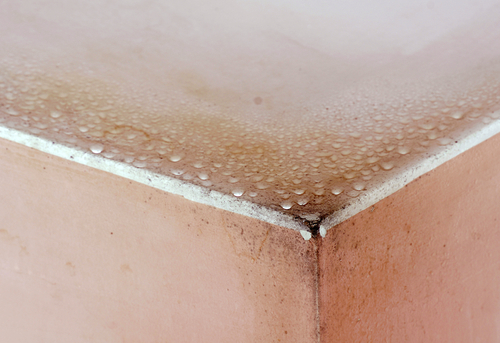
Basement water problems are common for two reasons: water leaks in and water rises up. In either case, because it's the lowest point in the house, the basement is frequently water's final destination.
Basement water problems may manifest as simply chronic condensation, wall seepage, leaks or groundwater penetrating the foundation. Here are the main characteristics of each type:
- Condensation " Condensation usually appears as dampness and streaks of water on walls, drips from pipes and rusted metal components, as well as mildew. Tape a mirror face-down to the wall for 24 hours. Condensation will appear as fogging or small droplets on the mirror surface. To alleviate basement condensation, make sure basement appliances such as washers or dryers are properly vented, increase air circulation and/or utilize a portable dehumidifier.
- Seepage " Dampness on concrete basement walls may be caused by water in the soil penetrating the porous concrete or expansion joints. Evaluate exterior drainage patterns. Make sure landscape conformation drains water away from the foundation, not toward it. Concrete sealer applied to interior wall may help.
- Leaks " Instead of generalized seepage, leakage is localized to a specific spot on a wall. It may be a crack in the concrete foundation or basement wall. Water the ground at the foundation outside to isolate the leak. Small cracks may be plugged and improving outdoor drainage patterns may help. Installation of drain tile to divert soil water away may be required.
- Subterranean water " In a zone with a high water table, naturally rising groundwater may penetrate the basement floor. Because it's under constant geologic pressure, rising water will always find its way in. Installation of a sump pump in the basement floor is the only remedy.
For more advice on basement water problems, contact the experts at Rytech.
Image via Shutterstock.com


