

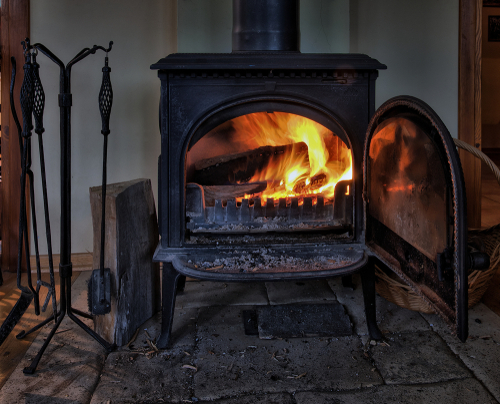
According to the U.S. Census Bureau, about 12% of American homes include a wood-burning stove as either the primary heater or as an adjunct to a conventional gas-fired or electric furnace. Though wood-burning stoves can be safely utilized, they require more attention than a conventional heating system to prevent fire danger and other hazards. Here are three tips:
Burn Only Wood
It seems self-evident, but only seasoned natural wood suitable for burning—or wood pellets specifically manufactured for that purpose—should be utilized in stoves. Paper refuse, plastics, styrofoam, fabrics, plywood and other materials pose dangers. Instead of burning evenly, these materials may flare up excessively and present a fire hazard. Also, unhealthy emissions from burning unapproved materials may pollute the household environment. Wet or rotten wood is also to be avoided as it burns inefficiently and releases excessive particulate matter that degrades indoor air quality.
Have The System Inspected And Cleaned
Creosote is a natural byproduct of burning wood. A residue of creosote coating the internal surface of a wood stove chimney may become explosively flammable. It's a major cause of chimney fires that can spread into the house. Most segments of a wood stove chimney are not accessible to a homeowner, so a properly-equipped, professional chimney sweep is required to clean the system. A thorough annual inspection also includes roof components. An uncapped chimney or broken chimney cap, as well as a damaged damper, can allow rain water to penetrate the stove chimney and leak into adjoining wooden structure causing water damage and mold growth.
Install Carbon Monoxide Detectors
Many people associate dangers of deadly carbon monoxide (CO) gas only with automotive exhaust and other mechanical sources. However, combustion of any type—including a wood-burning stove—produces odorless, colorless CO that can be deadly in sufficient concentration indoors. A wood-burning stove should be installed by professionals, checked annually by qualified service persons and properly operated per manufacturer's instructions. In addition, one carbon monoxide detector should be installed on each level of the home and another immediately outside sleeping areas. If the detector is battery-operated, fresh batteries should be installed twice a year.


