
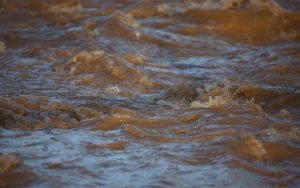
The first thing to know about black water is: It isn't necessarily black. The term evolves from a system of rating water-damage incidents according to toxicity and the potential hazard to occupants of a house as well as to technicians performing the clean-up.
This water damage system, devised by the IICRC (Institute of Inspection Cleaning Restoration and Restoration Certification), comprises three levels:
- Category 1 " Clean water from an interior water supply pipe rupture or other uncontaminated sources such as rainwater through a roof leak or open window. This represents the least toxic water damage.
- Category 2 " “Gray water,” usually from a source like an overflowing washing machine or leaking dishwasher. Gray water contains soap or other common household substances not considered highly toxic.
- Category 3 " Black water. The IICRC calls it “grossly contaminated.” Typical sources include:
- Outdoor flooding which may carry bacteria, viruses, parasites and waterborne chemical contaminants
- Raw sewage backup into the house
- Toilet overflows containing feces and/or urine
Any contact with category 3 water (including airborne fumes) is considered hazardous.
Ramifications of black water damage
There are no safe DIY (do-it-yourself) techniques to deal with black water contamination.
Rapid response by certified water damage professionals is critical. These teams arrive equipped with personal protective equipment to ensure safety. Equipment includes OSHA-approved full-face masks with respiratory protection.
For their own safety, occupants of the home may be temporarily evacuated until the clean-up process is complete.
Steps in a typical remediation project include:
- Evaluation to determine the source and extent of contamination
- Partitioning the contaminated area away from the remainder of the house
- Removing all water and/or sewage
- Identifying/removing any absorbent building materials saturated by black water such as drywall
- Using filtered air movers to exhaust tainted indoor air and induct fresh outdoor air. Dehumidifiers remove excess humidity that typically follows water damage
- Application of EPA-approved biocides to sterilize contaminated surfaces. Deodorizers neutralize odors
Any contaminated building materials removed during the restoration are properly disposed and replaced with new materials.


