

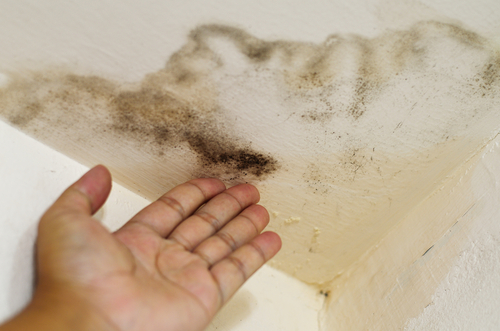
Timely steps to prevent mold growth in a home or building are vital because the consequences of water damage don't end when all the moisture is removed from a structure. Mold growth often follows and can turn a formerly healthy building into a toxic zone. Mold spores are airborne microorganisms and can easily infiltrate a home and circulate in the air. Learning to prevent mold growth means depriving spores of the main ingredient—moisture—that promotes mold growth. Here are five suggestions:
- Evaluate the mold potential of your home by identifying sources of moisture. Look for red flags spots like frequent basement flooding and condensation in the house that indicates continuous moisture. Remove any chronically wet material you may find—carpet, building materials, etc.
- Dry out wet areas immediately after water intrusion. Make water damage restoration drying techniques such as ventilation and air circulation the first priority. Dry mold spores require very little time to become established as growing mold once they become wet.
- Ventilation is the enemy of mold, so keep indoor air moving. Energy efficient homes are often under-ventilated. Make sure moisture-producing appliances like washers and stoves have vents to the exterior. Exhaust fans should ventilate kitchens and bathrooms that produce humidity in the air.
- Take advantage of mold-resistant products when building or renovating. Drywall and gypsum board—frequent sites for mold growth after water damage—are available in mold-resistant varieties. Mold-resistant paint is also a good choice or mold-resistant additives can be mixed with conventional paint.
- Keep indoor humidity in the range of 30 to 60 percent. Watch for signs of high humidity such as condensation on windows or other surfaces.
Contact the water restoration professionals at Rytech today for more guidelines to prevent mold growth.
Image via Shutterstock.com


