

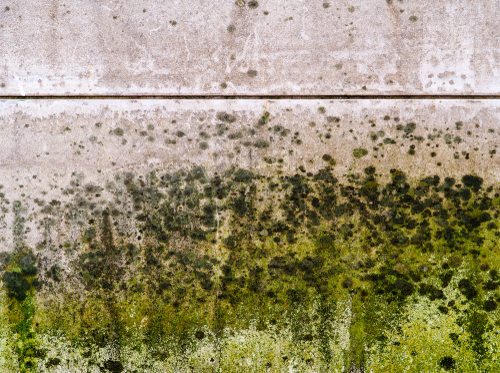
Green is among the rainbow of colors that growing mold may display, depending on the type and the environment where it grows. However, color alone is not a reliable indicator to identify mold. Experts say that literally thousands of mold species may exhibit greenish coloration. Most often, greens tend to be among the Cladosporium or Penicillium genus. White mold types are somewhat more likely to be found growing on paper products or raw wood in a moist environment, while green mold requires less moisture to thrive.
Is It Toxic?
Green mold shares a trait common with virtually all forms of indoor and outdoor mold, regardless of color: it spreads by releasing spores. These microscopic airborne particles carry mycotoxins that are proven to cause allergic reactions in susceptible individuals, including chronic illness.
Because airborne spores can accumulate to very high levels within an enclosed environment, symptoms are more likely to result from prolonged exposure to indoor mold versus outdoors.
Does Color Matter?
The Centers For Disease Control (CDC) recommends that all verified mold should be removed from a residence. The color of the mold—be it green, black or blue—isn't a deciding factor.
Professional mold remediation relies on established procedures such as analysis of airborne spore samples and active mold growth. Testing is utilized to determine the genus of the mold as well as estimate extent of contamination in the house. These facts—not the color—inform proper techniques to remove the mold and sterilize the environment to prevent recurrence.
Is My Home Infected?
Any unexplained allergic symptoms should always be brought to the attention of a physician first. If other potential factors are eliminated, mold contamination may be suspected if:
- Water damage has occurred inside the house or chronic moisture from any source is affecting some part of the structure.
- Musty odors persist in susceptible areas—basement, attic, crawl space, etc—and can't be attributed to some other cause.
- You notice fungal-like growth—of any color—occurring anywhere inside the house.


