


When mold remediation professionals search for the origin of contamination inside a house, the crawl space is usually a prime suspect. Cool temperatures, moisture, absence of ultraviolet sunlight and ample food sources like cellulose in exposed wooden structure make that cramped space beneath your floor a perfect breeding ground.
Microscopic airborne spores released by active mold growth may continuously infiltrate living spaces above through tiny cracks and gaps. When inhaled, toxic spores may cause allergic reactions and other chronic physical symptoms.
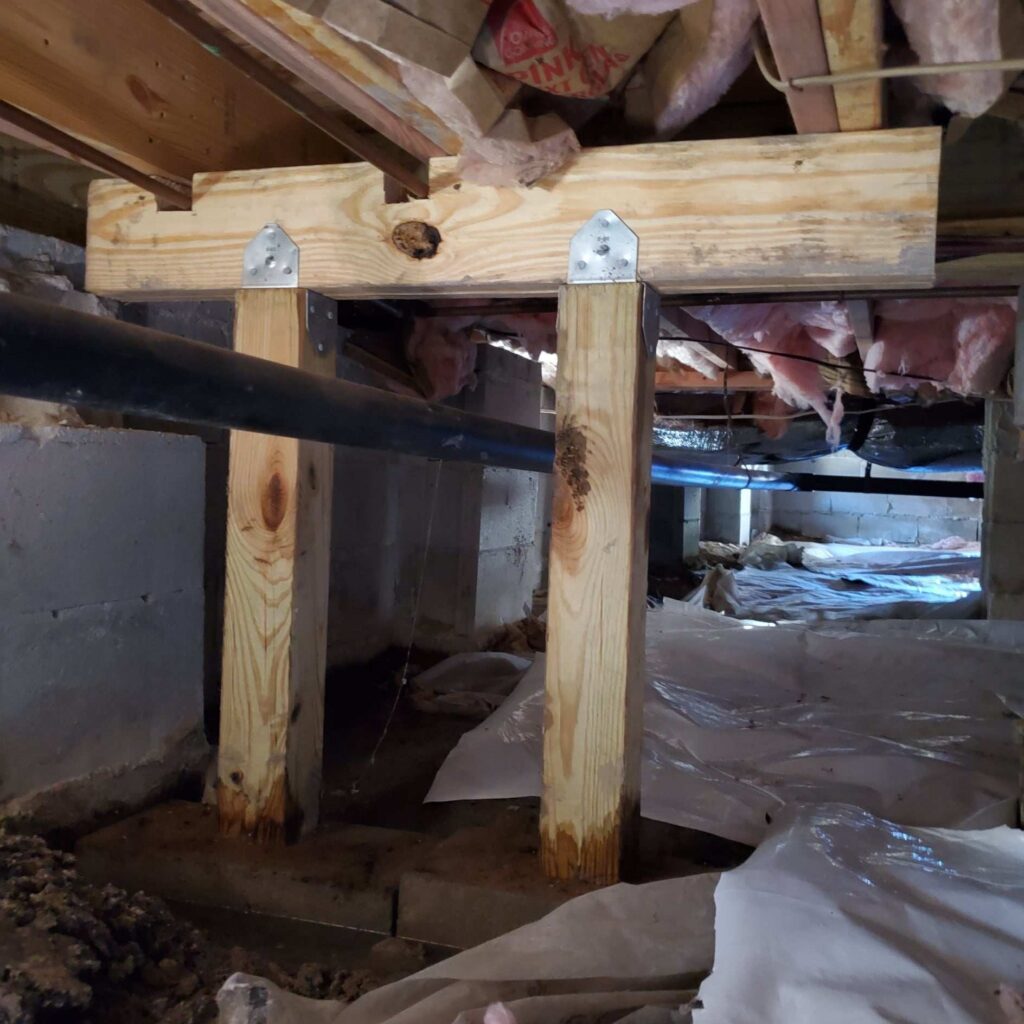
Is The Crawl Space Contaminated?
Thriving mold growth in the crawl space is often unnoticed by residents. Even when it's suspected, the signs may be ambiguous:
- A chronic musty odor emanating from below. It's hard to miss, but it may be dismissed as simply common mildew or moisture-related issues.
- Splotchy growth visible on wooden surfaces in the crawl space such as trusses and sub flooring. The growth may be fuzzy or flat. Coloration is typically white or black, but may vary into greenish or purplish hues, too.
Because not everything that looks like mold is mold and not all mold types produce mycotoxins that trigger reactions in humans, mold inspection, air sampling and testing by a qualified mold remediation specialist is critical to confirm presence of mold and determine the type of growth.
How Is Mold Eliminated?

Successful mold remediation incorporates a two-fold approach:
- All active mold growth must be located and physically removed. Then, contaminated surfaces are sterilized with EPA-approved disinfectants specially formulated for the type of mold. Where growing mold has penetrated the surface of wooden building materials, those components may need to be replaced.
- To prevent recurrence, conditions that promote mold growth in the crawl space must be addressed. Moisture sources such as water intrusion during rain and plumbing leaks should be eliminated. The dirt floor may require a plastic vapor barrier to keep out rising soil moisture. In dry climates, addition of vents to increase crawl space cross-ventilation may discourage mold. Conversely, in humid climates, sealing the crawl space entirely and making it a conditioned zone of the house may be preferable.

Rytech Restoration's Emergency Service Locations
Find your local Rytech Restoration below by clicking and expanding the state where your property is located. Live specialists are standing by, ready to answer your questions and dispatch a certified technician to your door.
ALABAMA

Rytech Restoration of Greater Mobile
ARIZONA
Rytech Restoration of Phoenix
CALIFORNIA
Rytech Restoration of Orange County
Rytech Restoration of Sacramento
Rytech Restoration of South San Bernardino
Rytech Restoration of Southwest LA
Rytech Restoration of Ventura County
Rytech Restoration of West Los Angeles County
Rytech Restoration of Western Riverside
Rytech Restoration of San Diego
Rytech Restoration of Ontario
Rytech Restoration Franchise Opportunities Available
COLORADO
Rytech Restoration of Greater Denver
DELAWARE

Rytech Restoration of Northern Delaware
FLORIDA
Rytech Restoration of Central FL
Rytech Restoration of Jacksonville
Rytech Restoration of Brevard, Flagler, and Volusia
Rytech Restoration of Gainesville
Rytech Restoration of Pensacola
Rytech Restoration of Lee & Collier County
Rytech Restoration of Orlando
Rytech Restoration of Tallahassee
Rytech Restoration of Treasure Coast
Rytech Restoration of Sarasota
Rytech Restoration of Broward - Ft. Lauderdale
Rytech Restoration of Palm Beach
Rytech Restoration of Miami-Dade FL
Rytech Restoration of Monroe
Rytech Restoration of Sarasota
Rytech Restoration of North Pinellas
Rytech Restoration of St. Petersburg
Rytech Restoration of Southern Hillsborough
GEORGIA
Rytech Restoration of Gwinnett County
Rytech Restoration of Metro Atlanta
Rytech Restoration of North East Georgia
Rytech Restoration of Marietta
ILLINOIS
Rytech Restoration of DuPage County
Rytech Restoration of Northwest Chicago
LOUSIANA
Rytech Restoration of Baton Rouge
Rytech Restoration of New Orleans
Rytech Restoration of Lake Charles-Layfayette
MARYLAND
Rytech Restoration of North Metro
Rytech Restoration of Baltimore
Rytech Restoration of Washington DC
Rytech Restoration of Southwestern Maryland
Rytech Restoration of Silver Springs
Rytech Restoration of East Montgomery County
MISSISSIPPI
Rytech Restoration of Mississippi Gulf Coast
MISSOURI
Rytech Restoration of N. St. Louis
Rytech Restoration of St. Charles County MO
NEW JERSEY
Rytech Restoration of Bergen County NJ
NEW MEXICO

Rytech Restoration of Central New Mexico
NEW YORK
Rytech Restoration of Long Island
Rytech Restoration of Mid Hudson
NORTH CAROLINA
Rytech Restoration of Charlotte NC
Rytech Restoration of Raleigh
PENNSYLVANIA
Rytech Restoration of Delaware County
SOUTH CAROLINA
Rytech Restoration of the Midlands
Rytech Restoration of Charleston
Rytech Restoration of Pee Dee - Florence
Rytech Restoration of Pee Dee - Myrtle Beach
Rytech Restoration of the Upstate
TENNESSEE
Rytech Restoration of Nashville
Rytech Restoration of East Tennessee
Rytech Restoration of Chattanooga
Rytech Restoration of Memphis
TEXAS
Rytech Restoration of Austin
Rytech Restoration of The Woodlands
Rytech Restoration of Bell County TX
Rytech Restoration of College Station / Georgetown TX
Rytech Restoration of Dallas
Rytech Restoration of Houston
Rytech Restoration of North Houston
Rytech Restoration of San Antonio
Rytech Restoration of Southwest Houston
Rytech Restoration of Galveston
Rytech Restoration of Texas Gulf Coast
Rytech Restoration of Clear Lake
Rytech Restoration of West Texas
VIRGINIA
Rytech Restoration of Southwestern Maryland
Rytech Restoration of Northern Virginia
WASHINGTON
Rytech Restoration of Seattle
WISCONSIN


