

It's as important to prevent mold growth in winter as in any other season. Mold actually prefers a moderate indoor temperature range very close to what humans like to maintain during the winter, and winter weather often offers the wet conditions that promote mold growth, both indoors and out.
Microscopic mold spores exist in almost all structures in a dormant state. Once indoor mold shifts into the growing mode, it disperses millions of reproductive spores into household breathing air. To susceptible individuals, these spores may be allergenic and produce a variety of health-related symptoms.
Here's what to remember to prevent mold growth in winter:
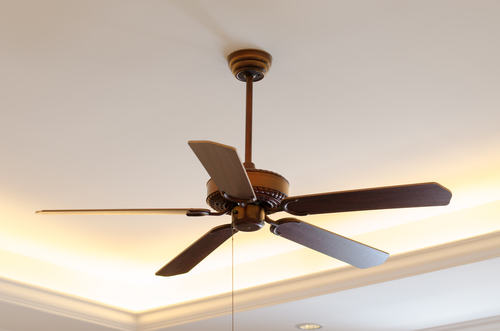
- Condensation in winter is a major source of indoor moisture. Where cold outdoor temperatures meet warm conditions indoors, condensation forms on surfaces, particularly on and around windows and doors. Utilizing portable fans or ceiling fans to circulate air in these areas is important to dry condensation before it can spawn mold growth. Also, take care to seal air leaks to prevent the collision of cold outdoor air and indoor warmth that triggers condensation.
- Exhausting indoor humidity also reduces condensation. During cold weather, when the house is more closed up, water vapor from normal human activities tends to accumulate indoors. Use of exhaust fans to ventilate areas where humidity originates, principally bathrooms and kitchens, removes water vapor at its source. Ensure all spot ventilation fans exhaust through a dedicated duct all the way to the outdoors and not simply into the attic or a wall void. Conveying moist air into these enclosed areas will create hidden breeding grounds for mold.
To learn more about steps to prevent mold growth this winter, contact Rytech.
Image via Shutterstock.com


