

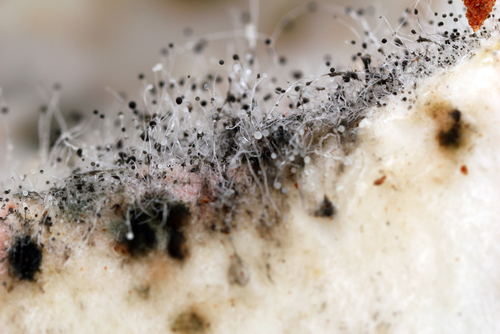
What's a little water damage got to do with a big mold problem? Pretty much everything, as it turns out. It doesn't take dramatic inundation from a major flood or ruptured water supply line to activate dormant mold spores. Once awakened by moisture, within a matter of hours, dormant mold spores get active. Growing mold releases millions of toxic reproductive spores into your indoor environment, exposing occupants to a concentrated dose with every breath. A household mold problem can cause a litany of allergic reactions and physical symptoms, potentially making the home uninhabitable for sensitive individuals.
Small water damage that's a factor in major mold growth include:
- Chronic high indoor humidity. Water vapor eventually permeates the entire structure of the home, including the hidden locations of dormant mold spores. The Environmental Protection Agency recommends keeping indoor humidity below 50 percent to inhibit mold.
- Roof leakage. A hot, enclosed attic is a preferred destination for mold growth activated by water damage from roof leaks. Saturated attic insulation is a perfect medium for the growth of mold. Total removal is usually a part of professional mold abatement.
- Sewer blockage. A sewer backup refluxes water up through basement floor drains, bringing moisture to waiting mold spores. A dank, dark basement is another friendly environment for mold to thrive, out of the sight of occupants.
- Damp crawl space. Soil moisture exuding into the crawl space makes it mold-friendly. Proper ventilation and installation of a vapor barrier on the dirt floor of the crawl space helps dry things out.
- Drips and dribbles. Nagging plumbing leaks contribute moisture that triggers mold. Repairing dripping faucets and pinhole pipe leaks deprives mold of the critical moisture factor.
To learn more about the big role small water damage may play in your household mold problem, contact Rytech.
Image via Shutterstock.com


