

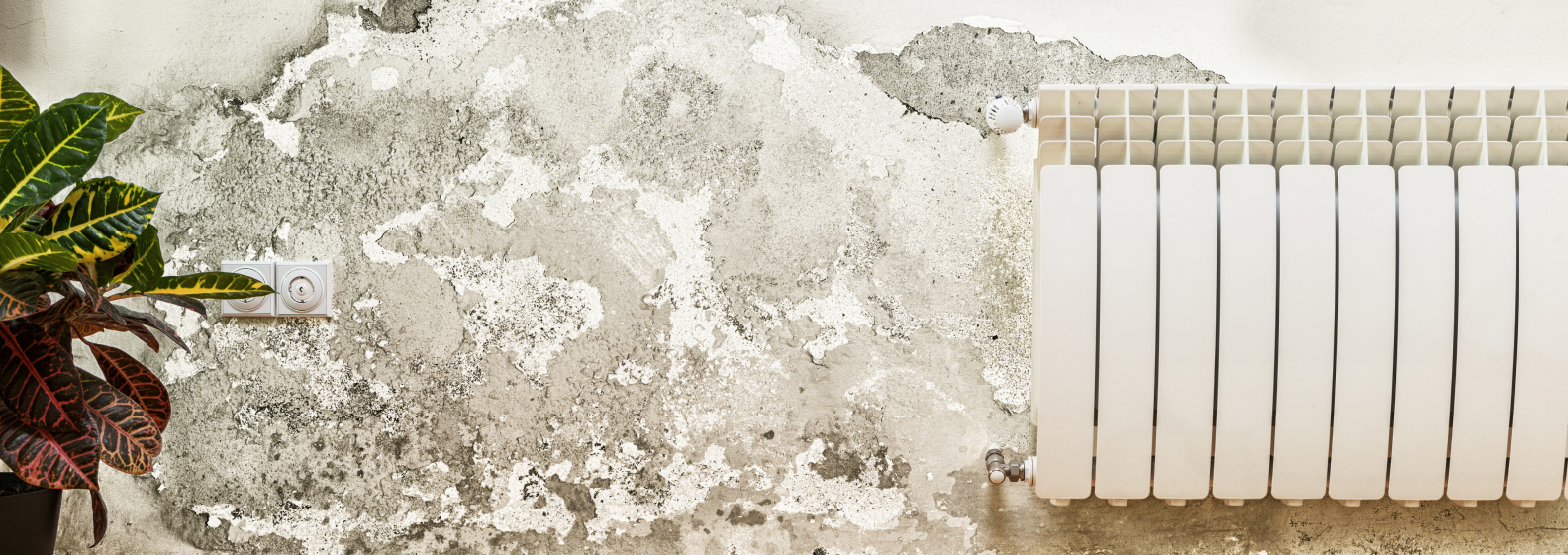
The sooner mold remediation begins in an affected home, the better. However, active mold usually gains a foothold before signs and symptoms become conspicuous. By that point, DIY steps are no longer a viable option and mold remediation by qualified experts is a necessity. Here are some signs that active mold growth in your home may have passed that tipping point.
Water or Moisture
If your house has experienced water damage, dormant mold spores common everywhere have probably been activated. Spores in unseen areas shift into the active mode within hours after exposure to wetness. As active growth accelerates, millions of toxic reproductive spores are dispersed into living spaces. An inundation of water isn't required. Simple chronic moisture like condensation or high humidity is often sufficient.
Visual Clues
Active mold growth usually discolors surfaces. Mold may appear on drywall, wooden structural materials or other areas as a mottled black, gray, brown or red coloration with a texturized appearance. Unlike mildew that can be wiped away, mold growth on materials usually penetrates the surface of the substance.
That Musty Smell
You know it when you smell it. The musty, moldy odor is usually a giveaway to the presence of fungi growth in enclosed spaces like basements, crawl spaces and attics even though you may not actually see mold. Conversely, the absence of that characteristic smell doesn't necessarily signify the absence of mold.
Unexplained Symptoms
Toxic mold spores in the air are known to trigger allergic responses, respiratory illnesses and vague chronic symptoms such as fatigue, headache and flu-like effects. When health issues can't be explained by other contagions, an environmental cause such as mold contamination may be suspected.
For more on the need for professional mold remediation in your home, contact the experts at Rytech.
Image via Shutterstock.com


