

Signs that you need to locate a water leak may be hard to miss — visual evidence of water or wetness where it doesn't belong — or more subtle, such as a gradually increasing water bill with no obvious explanation. The EPA reports that water leaks in American homes waste an average of over 10,000 gallons of water every year per home. In addition, ongoing leaks you don't know about can cause hidden water damage and trigger toxic mold growth in the house. The sooner you can locate a water leak, the sooner steps can be taken to resolve the issue and avoid long-term consequences, as well as conserve this increasingly scarce resource.
1. Watch the water meter
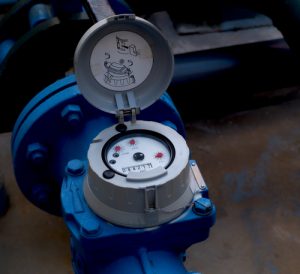
Turn off all sources of water inside the house. Go to your water meter and record the reading on the dials or the LED display. Wait an hour or so—don't let anyone use water or flush any toilets—then check the reading on the meter again. If it has changed, there's a leak somewhere. Contact a qualified plumber to track it down.
2. Listen to your toilet
Toilets are prime suspects for subtle water leakage. A toilet leaking due to a defective fill valve usually makes a faint hissing sound either continuously or in an on-and-off pattern. Take off the lid of the toilet tank and see if water is running into the overflow tube — a sign of a defective fill valve. If not, place several drops of food coloring into the tank and wait a half-hour. If the coloring in the tank begins to appear in the bowl, you've probably got a defective flapper in the bottom of the tank.
3. Look for outdoor evidence
The main water supply line buried in your yard may spring an underground leak with only slight above-ground evidence. The main tipoffs are patches of grass or ground covering that are conspicuously greener than surrounding parts of the lawn, or areas that are perpetually soggy or muddy.
The water damage recovery professionals at Rytech, Inc. can offer more advice to locate a water leak in your home.


