

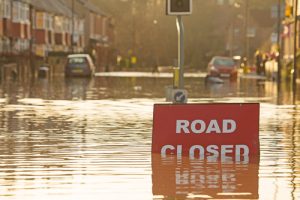
The dangers of flooding and water damage you can actually see are bad enough. However, water inundation also triggers consequences that may not be apparent when you initially survey the damage. Some longer-term effects are delayed and won't manifest until time has elapsed. Effectively dealing with the dangers of flooding and water damage means mitigating the immediate problems after the incident, as well as preventing hidden after-effects that ensue later on. Here are three examples of hidden water damage:
Toxic Mold Growth
Microscopic mold spores exist everywhere in nature, including inside our residences. However, they remain dormant and harmless unless or until they are activated by certain triggers. Chief among these trigger factors is exposure to moisture, such as occurs after water damage. Once dormant mold spores become wet, the clock is ticking and conversion to active, growing mold is a certainty within a day or so. That's why evaluation and decontamination by qualified mold remediation specialists is a time-sensitive process that should always a part of professional water damage remediation services.
Structural Effects
Water inundation may damage the foundation of a house in ways not immediately obvious, particularly in homes with a basement. A flooded basement exerts tremendous weight on the foundation, causing cracks and fissures in the floor and walls which may not be apparent until the next heavy rain when water begins seeping in. Also, removing flood water from a basement often must be done gradually to minimize structural damage. Pumping all water out immediately after flooding, while heavy, saturated soil surrounding the foundation is still exerting external pressure on the basement structure, may damage foundation and walls.
Appliance Damage
Flooding and gas-fired appliances like furnaces and water heaters don't mix. Water contacting gas burners triggers corrosion that accelerates failure; electronic controls like igniters are also ruined by exposure to water. Because of fire hazards and dangers from gas exposure, any gas-fired appliances that have been contacted by water should be checked out by an HVAC professional before being re-started after flooding.
For more about minimizing the dangers of flooding and water damage, contact Rytech, Inc.


