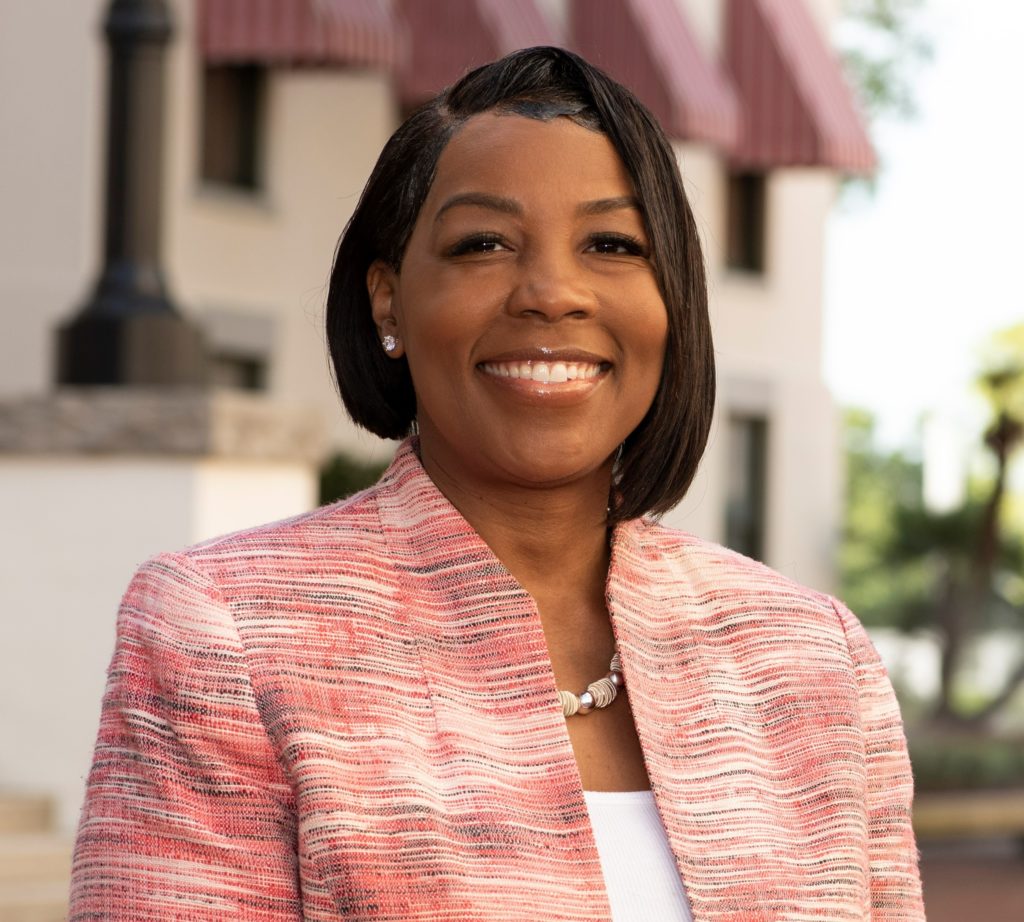
Tasha Carter is Florida’s appointed Insurance Consumer Advocate (ICA). Her responsibilities are wide ranging but much of her focus is devoted to helping consumers avoid the pitfalls of contractor solicitation fraud. Whether perpetrated by a roofer (as in this example) or by one of thousands of water mitigation firms in Florida and other states, this is a serious and growing consumer threat.
ICA Carter shared with the editors of the Dry Log the potential abuse that can result from any contractor, and which often involves Assignment of Benefits (AOB). Here is her rendition of what happens and how to protect yourself.
What is contractor solicitation and how does it work?
Here's the scenario...

You are approached at home (solicited) by a contractor who offers you payment or a gift card to conduct a free inspection of your roof. Upon completing the inspection, the contractor advises you of damage to your roof.

You have never noticed the damage, but you trust the contractor as a professional. The contractor states that your roof is badly damaged and that you need a new roof.

He states that your insurance company will cover the cost and there is no expense to you. He promises to communicate directly with your insurance company and handle the claim on your behalf.
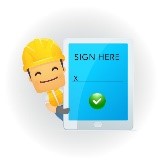
The contractor asks you to electronically sign a document on a tablet authorizing the work on your roof. The contractor scrolls to the signature area of the document and you sign.
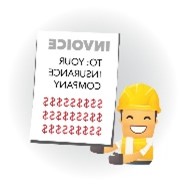
Unbeknownst to you, you do not need a roof replacement; however, you have signed an Assignment of Benefits, a legal contract that transfers your insurance rights to the contractor. This authority allows the contractor to file an insurance claim on your behalf, receive direct payment of your insurance payouts, file a lawsuit against the insurance company and more. Because you signed the form electronically, you do not have a copy and do not know exactly what you’ve signed.

The contractor may charge the insurance company an unnecessary or inflated amount for the roof.

The contractor may never complete the work but is still able to be paid by the insurance company due to the requirement included on the contract you signed.

The contract may also limit you from communicating directly with your insurance company, which means, if you have questions about the insurance claim, you will not be able to ask the company.
Oftentimes, these fraudulent, possibly unlicensed, contractors target neighborhoods and take advantage of multiple homeowners. The contractor may complete the roof of one home to use as an example or proof to other homeowners.
This deliberate deception is insurance fraud perpetrated by a contractor = contractor solicitation fraud.
If you or someone you know have been a victim of contractor fraud, contact the Florida Department of Financial Services' Division of Investigative and Forensic Services to report the incident. Contractor fraud is illegal and can lead to an arrest and prosecution.
- DFS Fraud Hotline: 1-800-378-0445
- DFS Online Fraud Reporting Portal: https://First.FLDFS.com
To learn more about contractor solicitation fraud and how you can protect yourself and your neighbors, review the components of Demolish Contractor Fraud: Steps to Avoid Falling Victim.
Created by the Florida Legislature in 1992, the Insurance Consumer Advocate (ICA) is appointed by the Chief Financial Officer but works independently from the Department of Financial Services or any employee of the department.
Tasha Carter was appointed into the position by CFO Jimmy Patronis in August 2019 and is an independent leader with an effective and powerful voice for all Floridians. ICA Carter serves Floridians by actively engaging with consumers and working with stakeholders to find consumer-focused solutions on all insurance matters.
For more information regarding the creation or role of the Insurance Consumer Advocate, please refer to Section 627.0613, Florida Statutes.


