

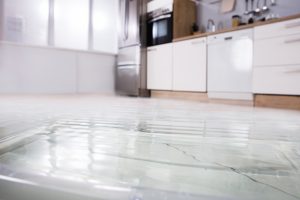
Water damage occurs for many reasons. Minor incidents may be little more than a nuisance and a good candidate for DIY (do-it-yourself) clean-up.
Major damage can run the gamut ranging from ongoing problems, such as a roof leak when it rains or chronic plumbing issues, to major issues: a ruptured indoor water supply line, sewage backup, or severe flooding.
A minor incident can be cleaned and no lasting damage occurs. A major water event can include substantial destruction with long-term consequences like mold contamination.
Here are some criteria to help you make the right decision about what to do next:
Identify the source
If water originated directly from a “clean” source; a plumbing fixture or faucet, it may be safe to DIY clean-up if the volume and spread is limited.
Water originating from potentially toxic sources:
- Outdoor flooding
- Overflowing toilet/washing machine
- Sewage backflow
- Stagnant/pooled water
"is the red flag to summon certified water damage recovery professionals.
Estimate the spread
If clean, pooling water is limited to 10'x10′ on a non-absorbent floor such as tile or vinyl, it can be removed with a wet/dry vacuum, pushed out an exterior door with a floor squeegee, or mopped. Open windows and run fans to circulate air and speed drying.
If spreading water exceeds 10'x10′ and/or if water has seeped under baseboards of the room or penetrated flooring, the process of major water damage is already underway. You need professionals on the scene ASAP to interrupt this process.
Consider safety issues
Minor water damage meeting the above criteria usually poses little risk if common-sense safety precautions are observed. Where major damage has occurred, wet surroundings can present serious electrical hazards. Soaked drywall is structurally unsound and may collapse at any time, causing injury. Even the air inside the house may be toxic.
DIY efforts aren't appropriate here. Let trained, properly equipped specialists handle the job.


