

While mold growth can be an all-season event inside a home, spring is an especially mold-friendly time of year. Two of the three conditions that trigger mold growth—moisture and temperature—are common in spring, particularly in the most mold-prone areas of the house: the crawl space and the attic.
Active mold releases microscopic airborne spores that easily migrate from the source throughout the entire structure, spreading contamination and often producing physical symptoms such as allergic reactions and illness in certain individuals. Here are some things you can do to make this time of year less favorable to mold contamination in your home.
Check the crawl space. After a long period of winter rains and/or melting snow, your crawl space may be chronically wet. This ongoing moisture, plus darkness and warming spring temperatures, provides hospitable conditions for mold growth. To make it less accomodating, take these steps:
- Make sure all crawl space vents are wide open and unobstructed to allow proper ventilation and promote drying.
- If dampness persists, consider two additional options: A crawl space vent fan, designed for this purpose, can be installed to maintain constant outdoor air ventilation and keep the space dry. Dehumidifiers made for crawl space installation are also available where excess humidity in the crawl space is a problem.
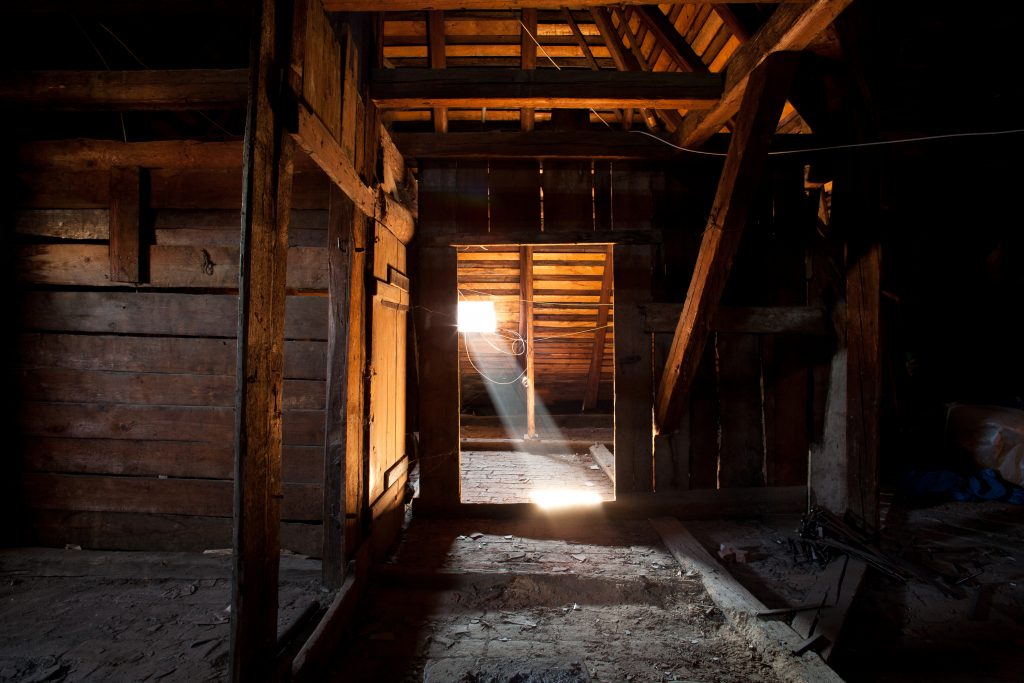
Inspect the attic. Roof leaks during seasonal spring rains can trigger attic mold growth. Exposed wooden structure inside the attic also provides cellulose that nourishes mold. Roof leaks into the attic may not become evident in the living spaces below for some time, so visual inspection is required. For safety in the attic, wear a mask for breathing protection and step only on large wooden joists.
- Look for signs of roof leakage such as dark spots or streaks on the sub-roof.
- Check attic insulation for discoloration or other evidence indicating mold growth inside the insulation material.
- Make sure all attic vents are open and unobstructed to provide adequate passive air ventilation. If wet or excessively humid conditions persist, a powered attic vent fan may be installed in the roof.


