

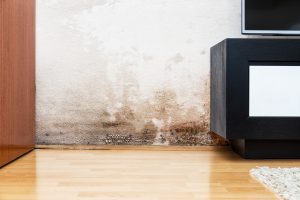
Wet walls are an annoyance, a housekeeping issue, and—perhaps—the outward sign of a potentially damaging plumbing event. Most residential walls are constructed from drywall and not intended to resist continuous dampness. In many cases, frequently wet walls will exhibit peeling paint or wallpaper. They may also display conspicuous streaking, stains, or mold growth. In the worst-case scenario, chronically wet walls may warp, sag, or otherwise structurally deteriorate as drywall material is permanently compromised by moisture exposure.
So where does the moisture originate that results in wet walls? The usual suspects include several potential causes:
- Indoor condensation. Tape a one-foot square of aluminum foil to the surface of a wet wall. After 24 hours, check the surface of the foil. If it's moist, you have an indoor condensation issue. Possible origins of elevated indoor humidity include insufficient ventilation of common moisture sources such as bathrooms and kitchens. Installation of one-way exhaust fans in these spaces will reduce condensation. Also, make sure the clothes dryer is properly vented to the exterior of the house and the vent pipe is not clogged. If naturally high humidity is a feature of local climate and contributing to indoor condensation, consider installing a whole-house dehumidifier to keep humidity in the range between 30% to 50%.
- Outdoor leaks. Water penetrating exterior walls during rain or snowmelt may infiltrate into wall cavities and cause wet spots on interior walls. Seal any exterior openings where water might leak into the exterior wall structure. This can include gaps and cracks in brickwork or siding, as well as openings around exterior doors and windows.
- Plumbing warning signs. Indoor water supply lines are typically routed through wall cavities. A chronically wet wall can be an early indicator of a plumbing leak inside the wall that may turn into a major pipe rupture at any time. This could cause severe indoor water damage to the house and possessions. Contact a qualified plumber immediately if water leakage is suspected inside wet walls.


