
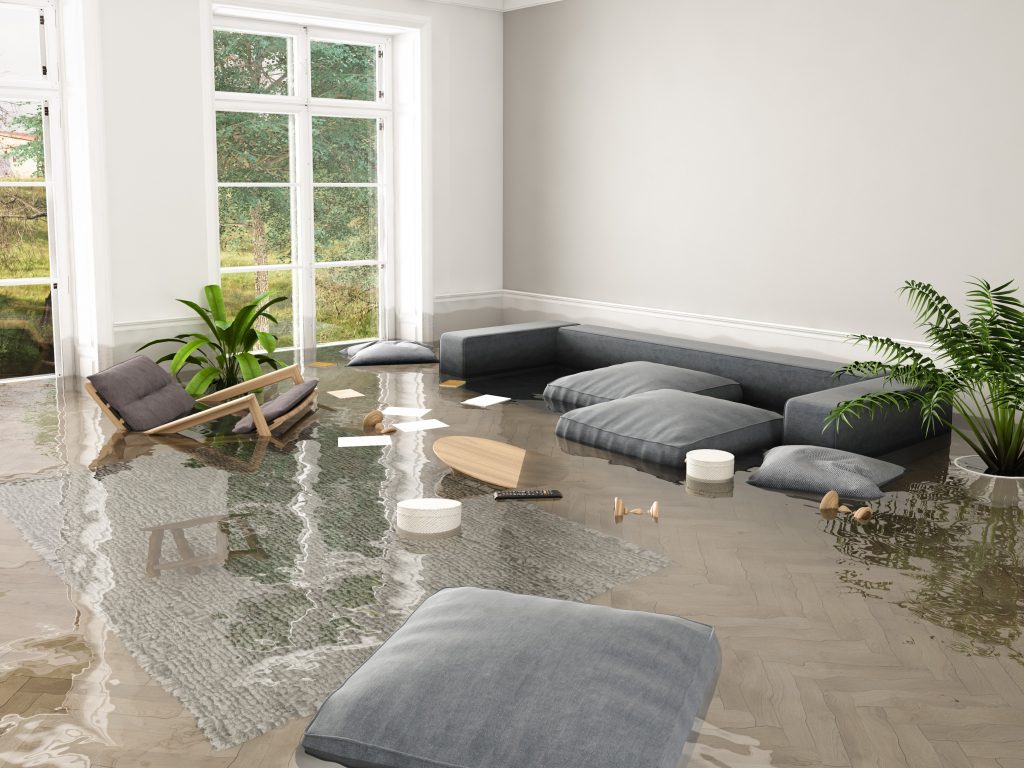
What belongings do you want to save after a flood? Most people would answer,
“Everything.” Any home contains a range of valuable items, from appliances to
expensive consumer items to cherished personal belongings. Most are vulnerable
to water exposure.
In the wake of a damaging flood, certain items that can be reasonably saved
or restored must be identified while others that are not salvageable should be
discarded. Here are some guidelines for typical flooding scenarios:
Furniture
- Solid wood furniture may be sanitized and refinished if necessary. Careful drying techniques may be needed to prevent warping, however.
- Upholstered furniture might be worth salvaging if the piece is antique and highly valuable. However, in most cases, ordinary furniture with cushions or fabric that has absorbed tainted, toxic floodwater is usually not worth the expense of restoration and should be discarded.
- Inexpensive wood veneer furniture is generally not salvageable as exposure to water usually triggers delamination.
Appliances
No appliances should be operated after a flood unless checked by a qualified
technician first. Most units contain water-sensitive electronics and motors.
Gas appliances utilize burners and other metallic components that are degraded
by water contact. If flooding in the house exceeded more than a few inches in
depth, the high cost of replacement parts and labor means many affected
appliances aren't good candidates for repair and should be replaced, instead.
Consumer Electronics
Water and electronics don't mix. Critical circuit components may be damaged
by water exposure and/or resultant corrosion. However, water damage
remediation experts may recommend professional drying services where
particularly expensive electronics can be treated in a humidity- and
temperature-controlled environment to minimize damage.
Paper Valuables
- Professional services to salvage water-damaged photographs including specialized freeze-drying techniques are available. Time is critical—action must taken ASAP following water exposure.
- Important paper documents must be separated into individual pages and gently dried before damaging mold growth occurs. Soaked books must be blotted with absorbent inserts between pages and allowed to air-dry.
- If floodwater was tainted by toxins such as raw sewage, restoration of absorbent paper items may not be advisable due to health issues.


