

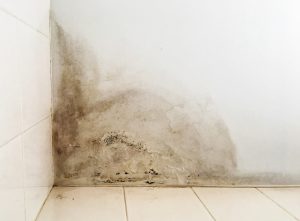
After the source of water is stopped, accurately assessing water damage is one of the first priorities to begin the restoration process. Not all water damage is created equal when it comes to the origin of water or the amount affecting a particular structure. A full survey of the premises is necessary to accurately evaluate the condition of the home, determine appropriate remediation techniques, as well as calculate an estimated timeline for completion.
Here are some of the factors to consider when assessing water damage:
- Identify the type of water. Water from a clean source like a broken pipe is considered Category 1 and is generally responsive to standard techniques if the recovery process is initiated within 24 hours. Category 2 water—usually an overflowing appliance or another source of soapy water or slight bacterial contamination—presents more complications. Category 3 water is raw sewage and requires intensive toxic clean-up methods utilizing specialized equipment.
- Determine the extent. Unless the water is limited to a small pool on a hard-surface floor, it has probably spread elsewhere. The required inspection includes determining the presence of water seeping into or under walls or through the flooring into ceilings below. Moisture meters, infrared cameras, and other techniques are utilized by water damage pros when assessing water damage in unseen areas.
- Establish the timing. The elapsed time since the water damage incident occurred is relevant. Time is a factor in the likely spread of water inside the house. Moreover, if more than 24 hours have elapsed since the incident, you can assume that toxic mold growth may be an issue in affected parts of the home.
- Look out for structural changes. Water is readily absorbed by certain building materials such as drywall. If you see sagging ceilings or bulging walls, you can assume that these structural elements are no longer reliable and will have to be replaced in most cases.
- Be aware of hazards. Water infiltrating a structure may also contact electrical circuits, HVAC components, and other water-sensitive home systems. Note this damage and also take precautions to avoid possible electrical dangers.


