

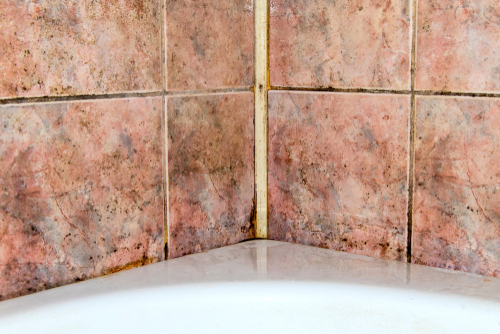
Mildew is simply another type of fungus, yet differs signficantly from toxic mold growth. Mildew typically grows on top of surfaces without penetrating the material. Mildew spores prefer a location that's frequently wet to spawn growth. Mildew is unsightly and may permanently stain surfaces, however, health issues like allergic reactions are less common than with toxic mold.
No Moisture, No Mildew
The bathroom is ground zero for mildew for one reason: moisture. Bathroom surfaces are wet more often and stay wet longer than any room under your roof. In addition to hot water sprayed from bathroom fixtures, there's warm, foggy air forming condensation everywhere, wet footprints on the floor, soggy towels, you name it.
Reduce sources of bathroom moisture and you remove a primary link in the chain of mildew contamination. Here are some suggestions to prevent mildew in bathrooms by reducing moisture:
- Ventilate adequately. Exhausting warm water vapor from the bathroom before it condenses is critical to mildew prevention. Opening a window won't do it. In most cases, a powered bathroom vent fan is required for adequate ventilation. Fan air volume should accommodate the size of the bathroom: at least one CFM (cubic feet per minute) of air volume per square foot of floor space. A 7' x 10' bathroom would require a fan rated for at least 70 CFM. Activation should be timer-controlled to ensure the fan continues to run for at least 20 minutes after bathing is concluded.
- Seal grout. Grout lines between bathroom tile are composed of porous cement that collects mildew spores. Grout is a primary location for mildew growth and unsightly staining. Wipe grout dry after bathing and showering. Every year or so, grout should waterproofed by applying a commercial sealant.
- Dehumidify if necessary. To augment fan ventilation and help keep bathroom humidity below the 60% trigger point for mildew growth, consider utilizing a compact bathroom dehumidifier specifically designed for the purpose.
- The dryer, the better. Mop the bathroom floor dry if it gets wet, hang up wet bathmats to dry, use mildew-resistant shower curtains and don't leave damp clothes or towels in the bathroom.


