

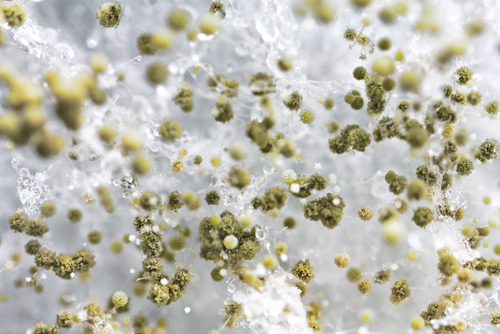
Mold hazards after water damage are essentially a done deal. Dormant mold spores are present virtually everywhere in nature and require only the addition of moisture to activate and convert to growing mold. The water-saturated interior of a home is the perfect environment, providing recesses where seeping moisture can trigger covert mold growth. Once it gains a foothold, professional mold abatement services are usually necessary to provide the kind of advanced remediation and disinfection techniques required to permanently eradicate active mold.
By acting promptly, affected residents can take proven DIY steps that will at least diminish mold hazards after water damage, reducing the scale of intervention required later on.
Here are some tasks that are doable for the typical homeowner:
- Get wet carpeting out of the house ASAP. Throw out the padding and, if carpet can be salvaged, have it disinfected and dried immediately.
- Remove saturated insulation even if surrounding structure seems dry. Insulation is a sponge that retains water longer than other building materials, allowing mold and bacteria to thrive.
- Use only non-phosphate detergents for cleaning. Phosphates in many common household cleaners actually proves food for growing mold. When using disinfectants, be careful not to mix bleach with ammonia or other acids.
- Be aware that simply cleaning away mold usually doesn't inhibit regrowth. Disinfection of surfaces must follow cleaning.
- Make sure structural components like wall framing, subfloors and the slab are as dry as possible before installing new insulation, drywall or flooring materials. Ideally, the moisture content in structural wood should be below 20 percent before wall spaces are enclosed. To accelerate this process, water damage recovery pros typically utilize specialized fans and dehumidifiers purpose-built for remediation uses.
For guidance on mitigating mold hazards after water damage as well as qualified professional mold abatement services, contact Rytech.
Image via Shutterstock.com


