
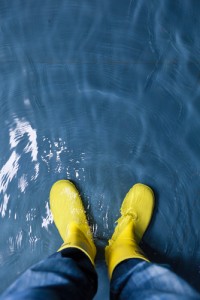
Because damaging water may originate from any number of sources, not all types of water damage are the same. Water that affects your home or property may have come from a distance in the case of general flooding, or just upstairs from an indoor plumbing leak. The point of origin is a major determinant of health hazards involved, as well as the plan and techniques necessary to remediate the damage and restore your home to normal.
These are the three broad types of water damage that affect property and possessions:
- Clean water emanates from within the structure—a rupture of a water supply line is a common cause—or from rainfall that enters directly through the roof or walls. Generally, clean water isn't contaminated with pathogens or chemicals and poses the lowest risk to the indoor environment. However, the intrusion of clean water into a home can be the trigger for the growth of toxic mold and bacteria spores that are dormant in any home.
- Gray water is usually mixed with common substances like detergents or bath or shower water. Standing clean water may turn gray simply from absorbing household substances before cleanup. Though the toxicity isn't extremely high, contact should be minimized by taking appropriate precautions such as wearing gloves and other protective gear.
- Black water, as the name implies, is hazardous. It may result from generalized flooding that incorporates raw sewage, pesticides and other toxic substances. Or black water may originate closer to home, as with sewer backups. Because black water is a known source of disease from both contact and airborne exposure, temporary evacuation may be advisable and cleanup is strictly a job for water damage recovery experts.
Ask the water damage recovery experts at Rytech for more information about the types of water damage.
Image via Shutterstock.com


