

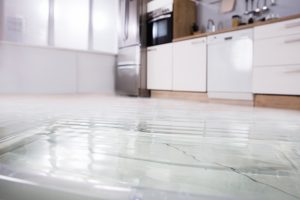
Refrigerator leaks probably aren't the first thing that comes to mind when you think of kitchen water damage. A busted water supply line under the kitchen sink or an overflowing dishwasher seems to be a more likely suspect. While refrigerator leaks may not be dramatic—frequently they appear as a recurrent “mystery puddle” around or behind the refrigerator—chronic leakage can rot the floor underneath the unit, spread under nearby baseboards into wall voids, and trigger mold growth.
Here are two common sources of refrigerator leaks and what needs to be done to eliminate them.
Water Line Connection
Many refrigerators are connected to household plumbing that provides water for the internal ice maker. This is typically a 1/4-inch water supply tube that connects to the rear of the refrigerator with a compression fitting.
Two issues may trigger refrigerator leaks:
- New refrigerators frequently come standard with an inexpensive plastic water supply tube that loosens and leaks over time at the compression fitting on the back of the unit. Gently tightening the compression nut at the fitting with a wrench may stop minor refrigerator leaks at that point.
- If tightening the tubing connection doesn't stop leakage, the water supply line and connection hardware at both ends should be replaced. Copper or stainless steel replacement water supply lines are more reliable than original equipment plastic tubing. While not out of the range of experienced do-it-yourselfers, replacing the refrigerator water supply line may be best left to a qualified plumber.
Drain Tube Clog
Most refrigerators generate a small volume of water during the automatic defrosting cycle. This water is diverted down a tube from the freezer section into a pan in the bottom of the unit where hot air from the compressor fan evaporates the water. A clogged drain tube may cause water to back up and drip out of the freezer, eventually puddling on the kitchen floor. A drain tube clogged by debris such as food particles will usually need to be blown out with compressed air to clear the clog and stop leakage.


