

Though you can't do much to control the risk factors that lead to flooding, you can minimize flood damage if it should happen. Property damage from floods exceeds $2 billion in an average year, and in areas that are prone to flooding, the statistical chance that your home will incur serious water damage far exceeds the chance of damage from a fire. Since some flood potential exists virtually anywhere you may reside, advance measures to minimize flood damage are likely to prove worthwhile.
How Can Homeowners Minimize the Risk of Flood Damage?
- Utilize retaining walls " Standard retaining walls are typically used as a landscape enhancement to reduce erosion, but situating them carefully with water damage prevention in mind may divert flood waters away from the house.
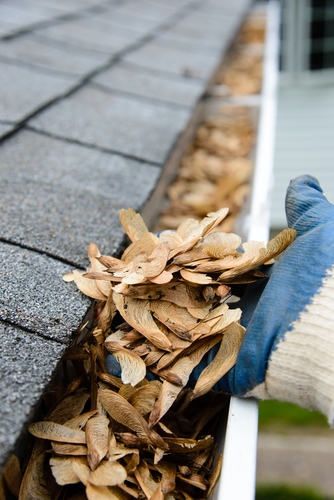
- Maintain gutters " During heavy rain that accompanies a flood, clogged gutters are one way outdoor water gets indoors. Because exterior walls and siding aren't designed to repel a continuous cascade from an overflowing gutter, water can infiltrate walls and flow into living spaces. Gutter waterfalls can also penetrate the foundation and flood the basement. To prevent this, schedule seasonal gutter cleaning to remove debris that can clog free flow.
- Permeate pavement " Sealed concrete and asphalt pavement effectively collects and channels flood waters toward the house instead of allowing the water to soak into the ground. Permeable pavement materials or individual paving stones promote soil absorption and reduce the accumulation of water that may inundate your home.
- Install a sump pump " Floods raise the level of natural groundwater, infiltrating basements through the foundation. Water entering at ground level also floods the basement, the lowest point in the home. A sump pump installed in the basement floor automatically activates to remove water intruding from either source.
For more professional tips on preventive steps homeowners can take to minimize flood damage, or for expert water remediation, contact Rytech.
Image via Shutterstock.com


