
Applied structural drying is the most effective noninvasive water damage restoration method used by professionals, such as the team here at Rytech. For a victim of water damage, it is a quick and easy process. Here is how it helps:
How it Works
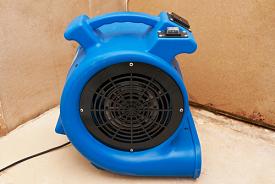
When applying this method, water damage restoration experts use high-powered water extractors to draw out the majority of the water saturating affected surfaces. Once this is done, rapid-spin drying fans are used to further dry everything. Then, a high-efficiency dehumidifier is used to remove the moisture from the air. Throughout the process, the water damage restoration professional uses advanced monitoring equipment to oversee the overall efficiency; this equipment allows professionals to adjust the process according to its progress. The process usually takes approximately three days.
Drying in a Noninvasive Way
Modern water extractors used by professional water damage restoration companies are capable of drying water damaged floors right through carpeting and padding. This eliminates the need for them to lift"and possibly damage"carpets in order to dry your floor.
Drying With Efficiency
Because applied structural drying water restoration methods can begin without having to lift or remove layers, a water damage restoration expert can begin the restoration process immediately. This means that he/she is able to more quickly restore your water damaged fixtures and floors. In other words, the applied structural drying method is a quicker path for water damage victims to get past the problem and back to their lives.
Improving Safety
Because it is fast, this method reduces the risk of a mold infestation in the fixtures. The dehumidification process further reduces the risk of mold by creating an atmosphere less conducive to the spreading of spores.
For more information about how the applied structural drying method of water restoration can help solve your water damage woes, contact Rytech today.
Image via Shutterstock.com


